


Unlock special savings on our Best Available Rate with exclusive Book Direct Benefits. Complimentary stays for children below the age of 12 for 5 nights and above.

A collection of delectable dishes from Europe to Asia, served in five restaurants, two bars, a wine cellar as well as private destination dining around the island.

At Vakkaru Maldives, wellbeing flows naturally through island life, from ocean swims and yoga to moments of quiet reflection. At Merana Spa, overwater pavilions offer globally inspired therapies, Ayurveda, and a serene wellness sanctuary.

From Splash and padel to kids clubs and island sports, Vakkaru offers activities for guests of every age.
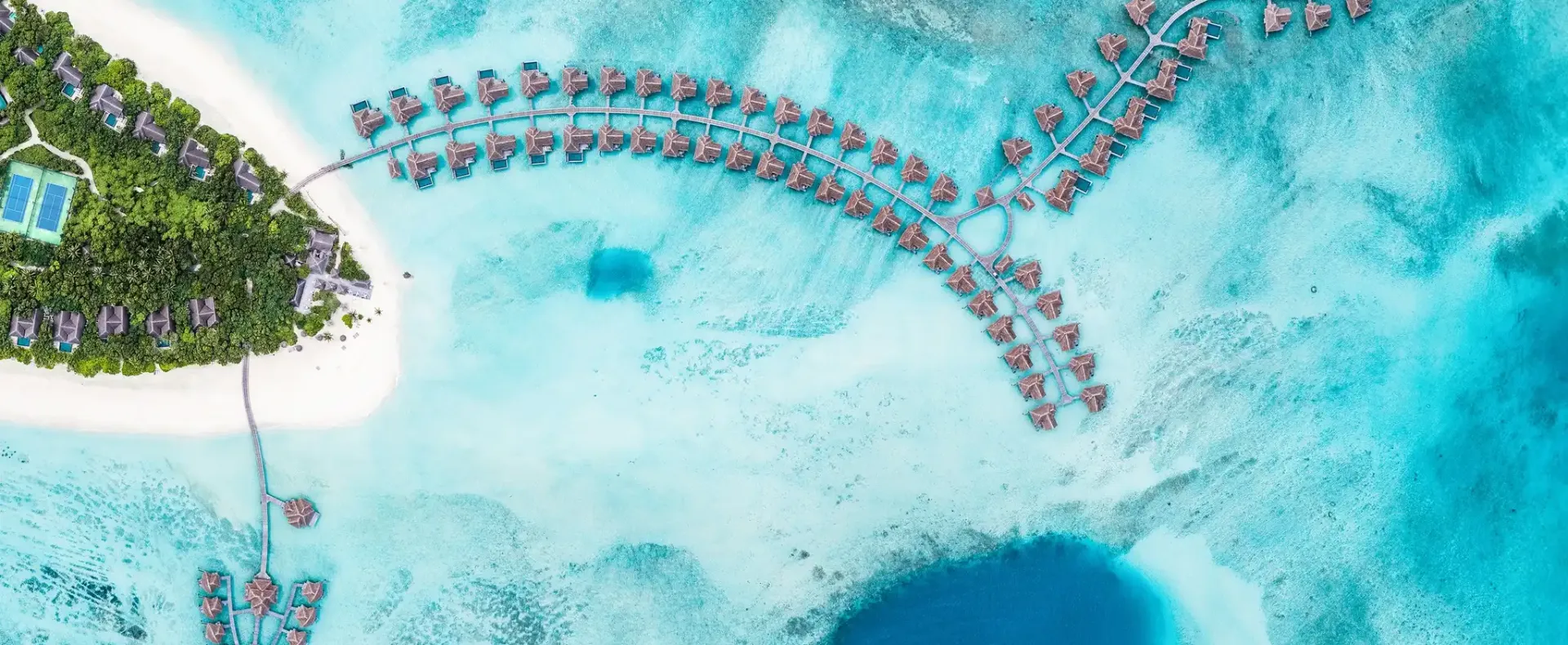
Scattered across the Indian Ocean southwest of Sri Lanka, the Maldives is an archipelago of coral islands, turquoise lagoons and vibrant marine life. Formed by ancient reefs rising from the ocean floor, this remarkable nation is composed of 26 natural atolls and more than 1,200 islands, many of which remain untouched and uninhabited.
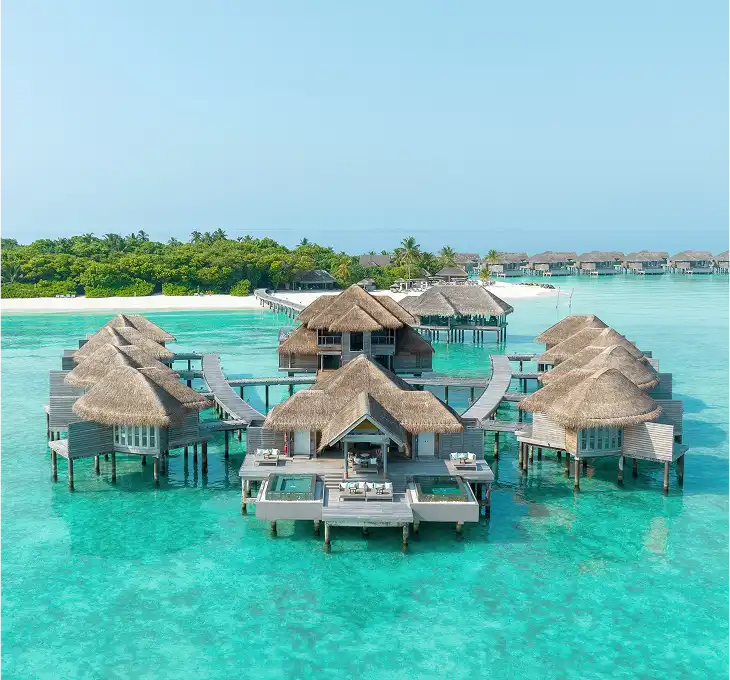
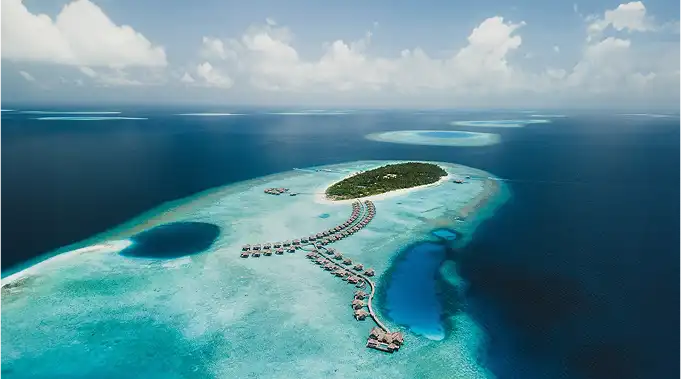
The Maldives stretches across a vast underwater mountain range, forming a chain of more than 1,200 coral islands and sandbanks arranged across 26 natural atolls. Around 200 islands are home to local communities, while others host private resorts or remain uninhabited. Each island is encircled by a lagoon of clear turquoise water and protected by a coral reef, creating the distinctive “one island, one resort” concept that defines the Maldivian experience.
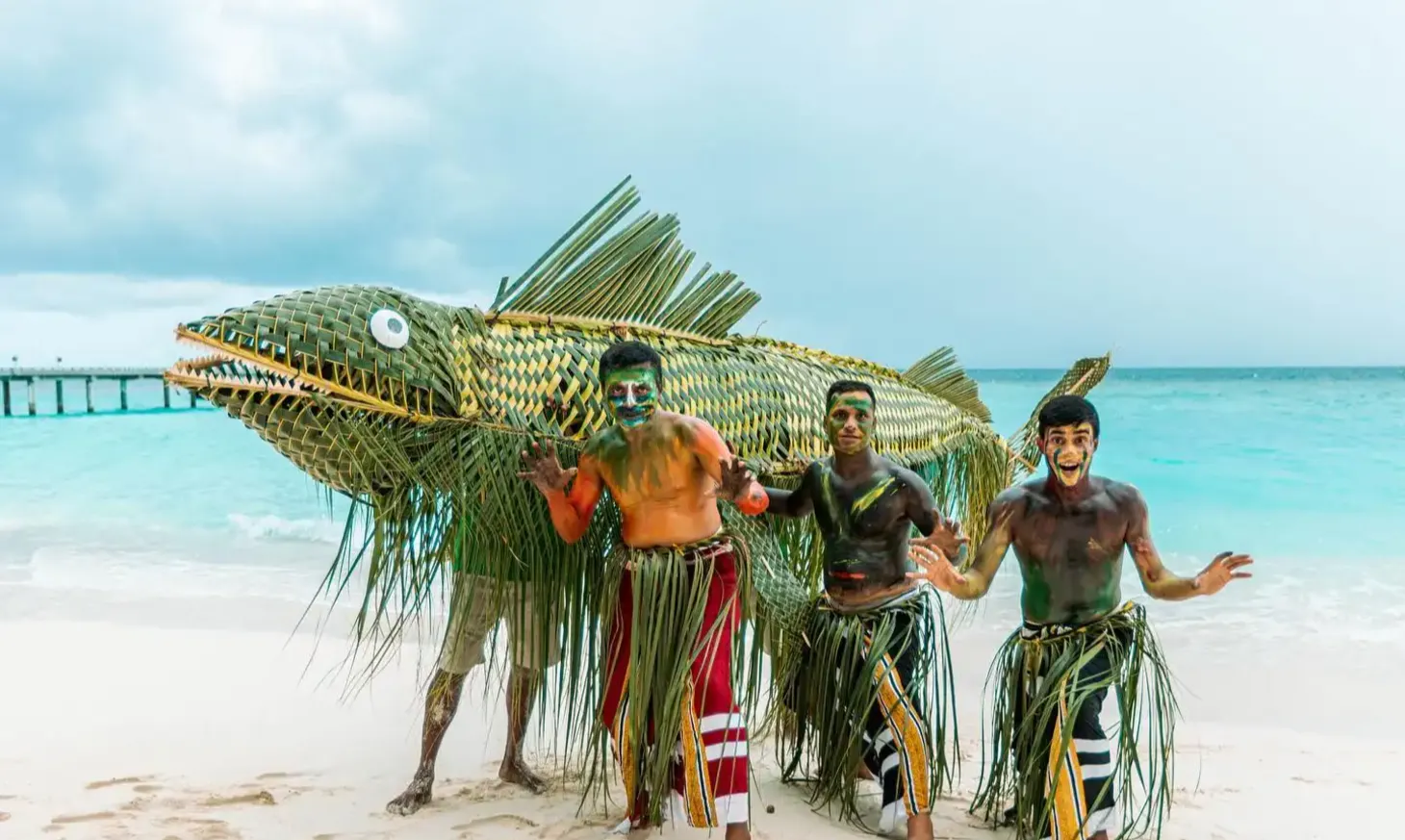
Maldivian culture reflects centuries of maritime trade and exchange across the Indian Ocean. Influences from India, Sri Lanka, the Middle East and Africa have shaped local traditions, cuisine and music. One of the most celebrated cultural expressions is Boduberu, a rhythmic performance of drumming, chanting and dance traditionally performed barefoot on the sand, bringing communities together in a vibrant display of island heritage.
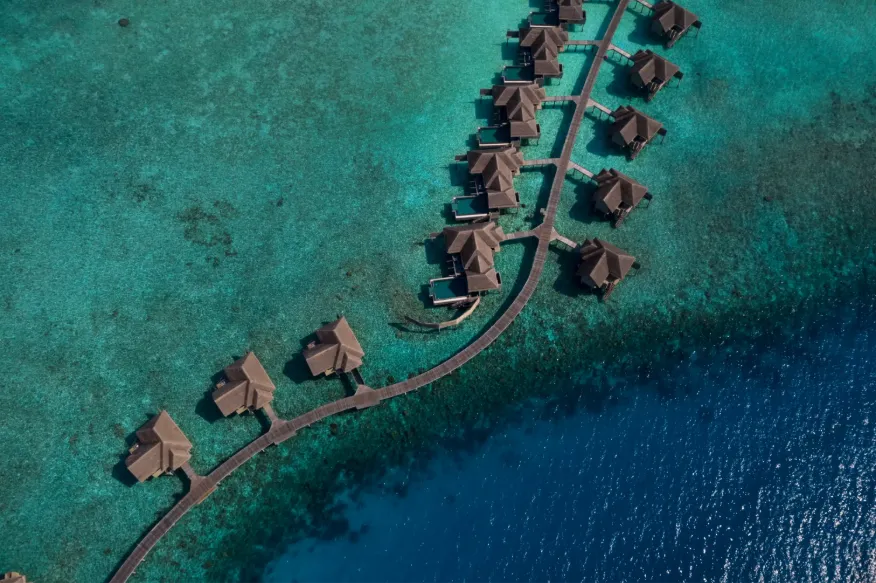
Velana International Airport in Malé is the main gateway to the Maldives, well connected with major cities worldwide. From here, guests continue their journey by seaplane to Vakkaru Maldives, enjoying a scenic 30-minute flight over coral atolls and turquoise lagoons.
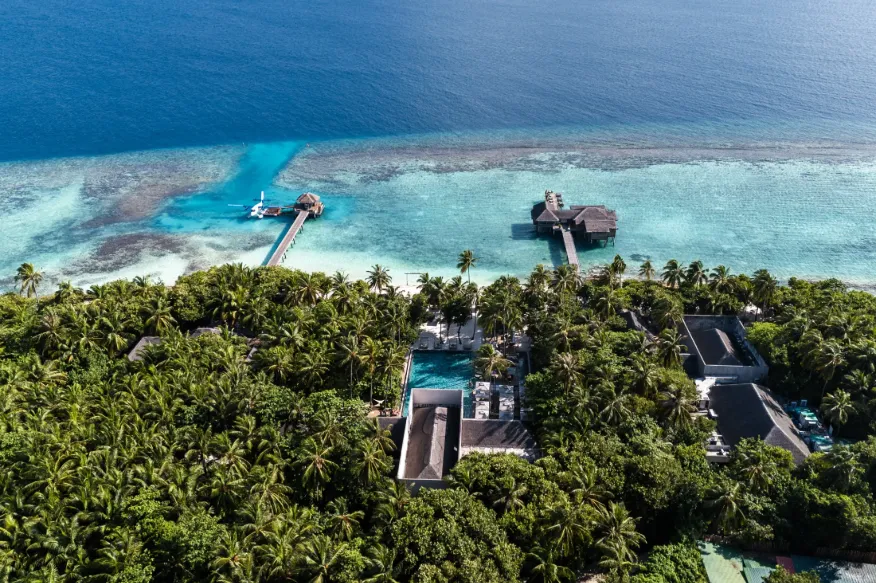
Located close to the equator, the Maldives enjoys a warm tropical climate throughout the year, with temperatures typically ranging between 23°C and 32°C. The drier season runs from November to April, while May to October brings occasional tropical showers and cooling ocean breezes.
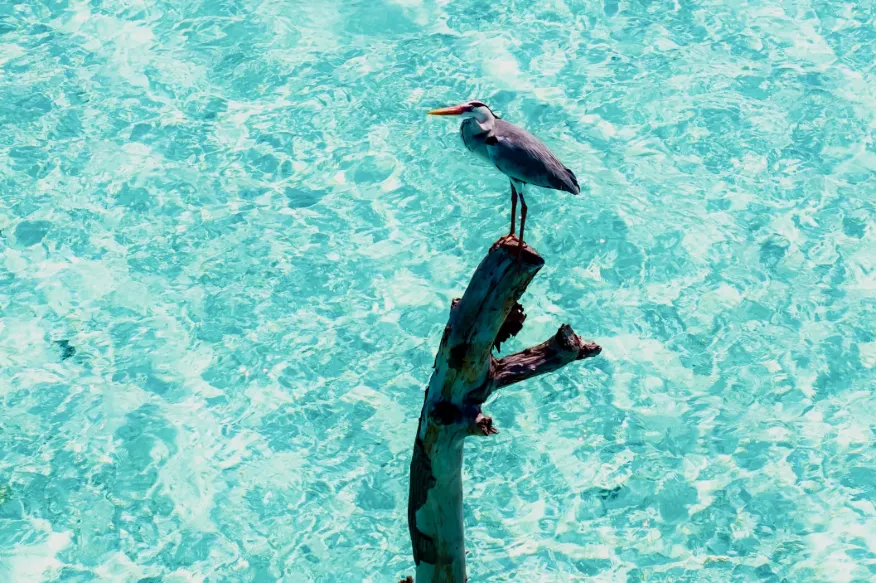
The Maldives operates on GMT +5, while Vakkaru Maldives follows island time at GMT +6. The US dollar is widely accepted throughout the resort, and major credit cards including Visa, Mastercard and American Express are also accepted for most services.